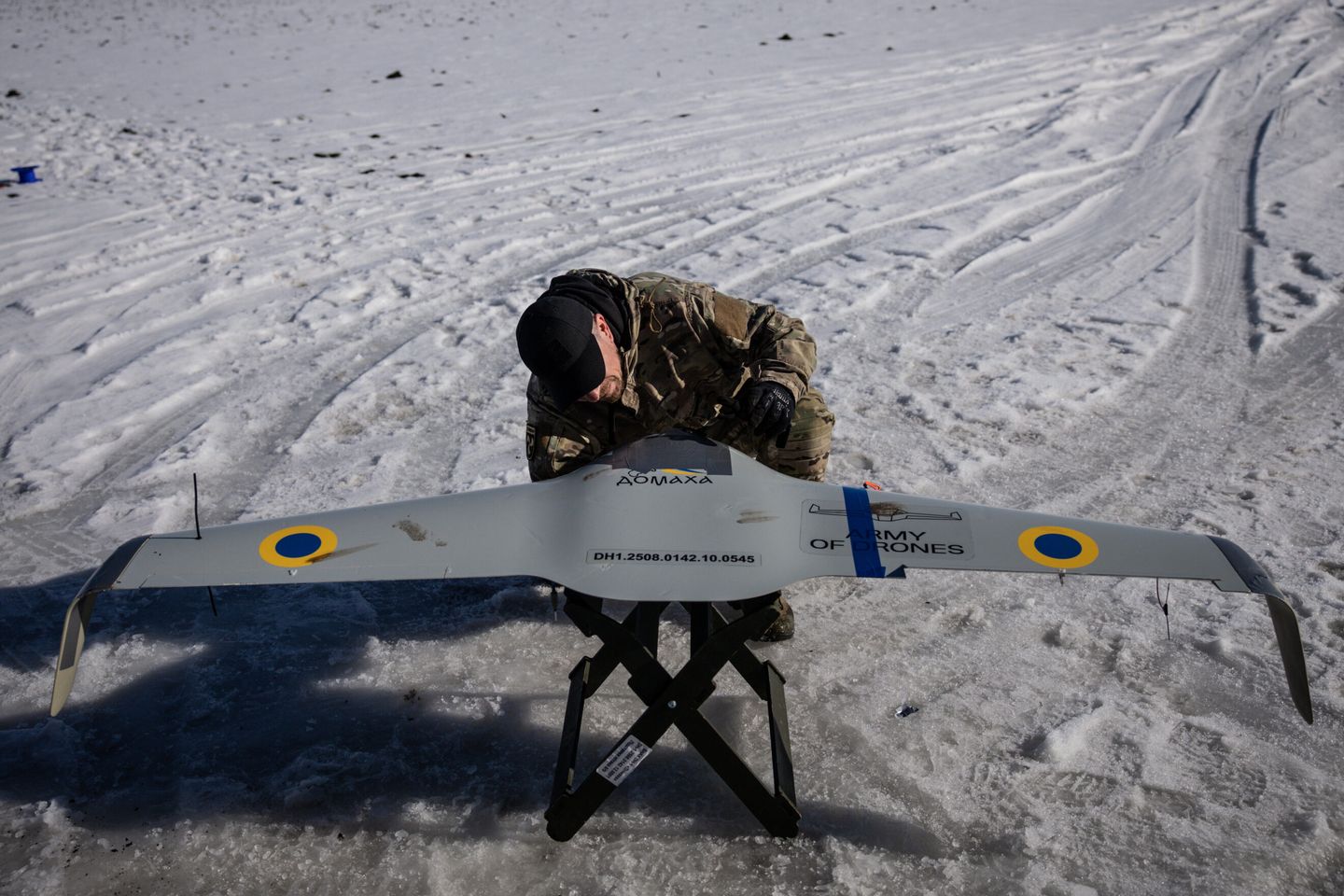
乌克兰官员正与富裕的海湾国家进行谈判,兜售乌克兰来之不易的反无人机技术,以应对伊朗的袭击,换取基辅国防工业急需的资金。
与此同时,友好的美国官员也在与乌克兰方面商讨分享其无人机技术——这或许至少能暂时提升乌克兰总统泽连斯基与白宫的谈判筹码。
这两项谈判都可能为乌克兰提供急需的帮助:一方面,由于匈牙利总理欧尔班的否决,欧盟承诺的900亿欧元贷款陷入停滞,乌克兰急需资金;另一方面,乌克兰的“爱国者”防空系统需要美国提供的拦截弹,以拦截俄罗斯的弹道导弹。
两名熟悉此事的乌克兰高级官员向《政客》证实了这两条讨论方向,但尚未达成任何最终协议。
一位不愿透露姓名的乌克兰国防工业代表告诉《政客》:“我们看到包括美国在内的许多国家对乌克兰的反无人机表现出浓厚的兴趣。这不难理解:乌克兰已经开发出独特的、经实战检验的解决方案,能够在实际环境中大规模地探测、追踪和应对此类威胁。”
他们补充说,任何出口决定都需要“政府间的协调,并且必须符合安全考量、出口管制和更广泛的战略重点。”
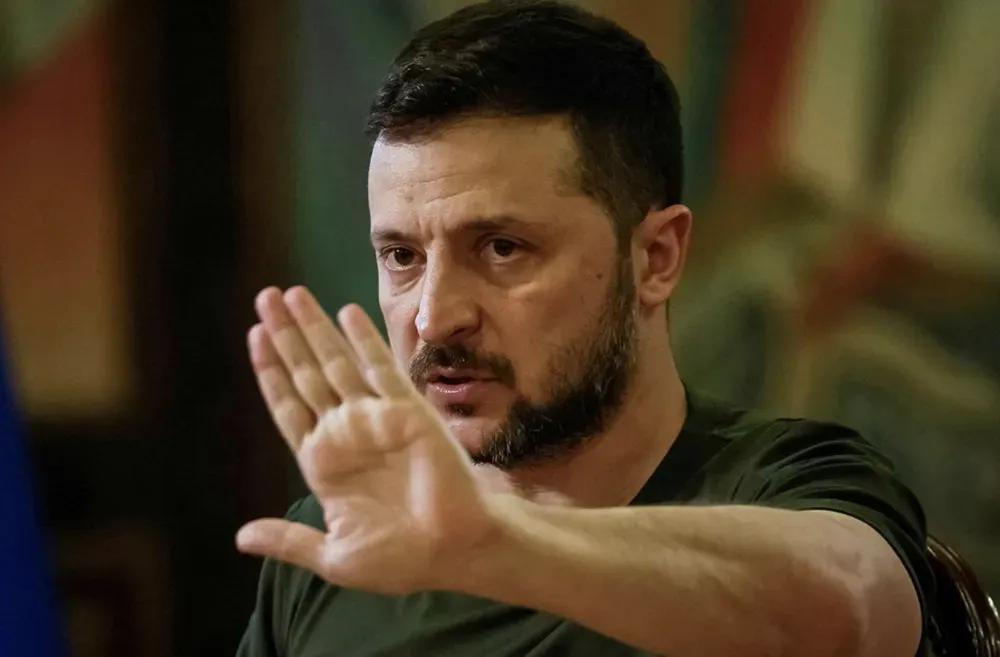
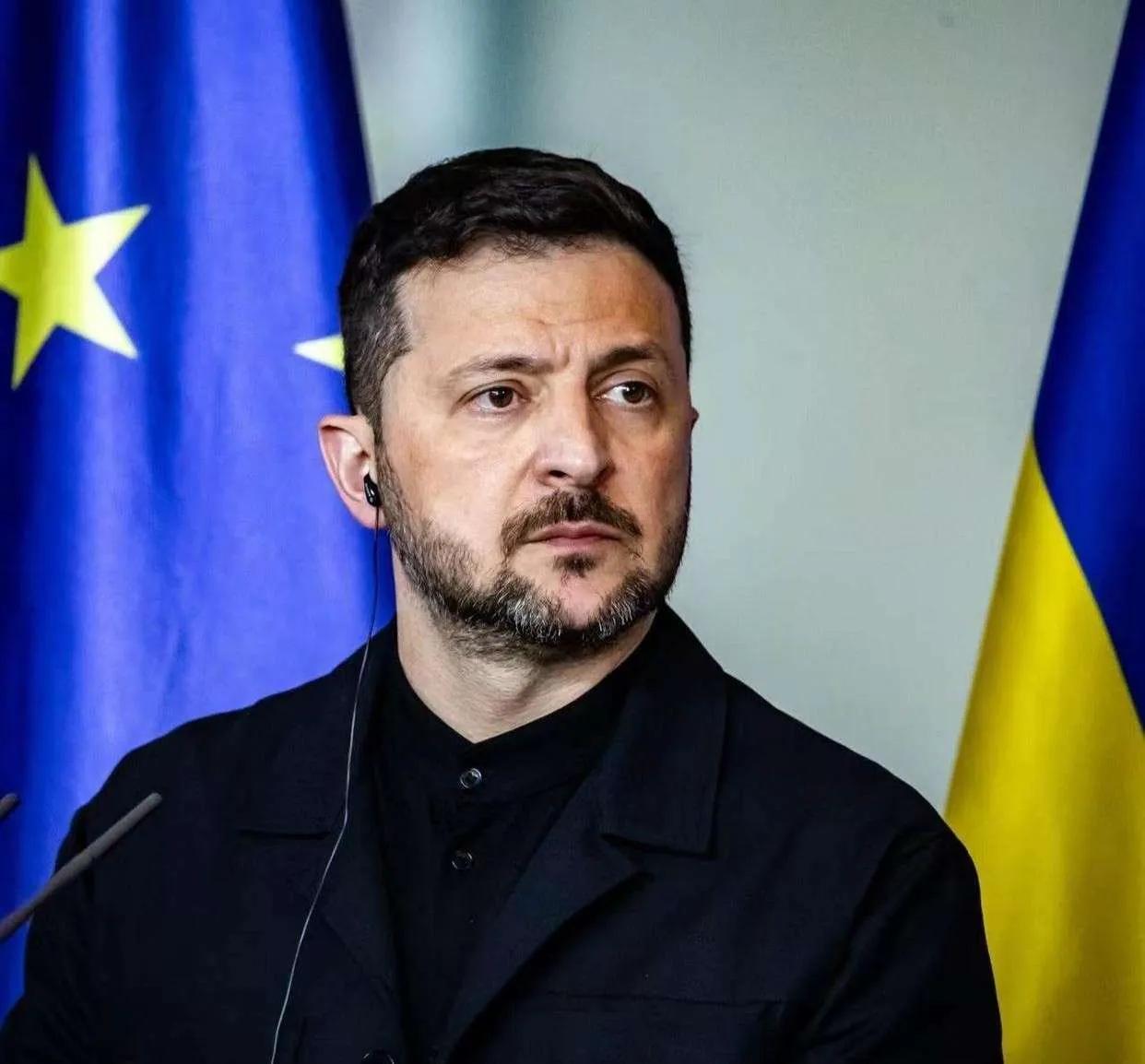
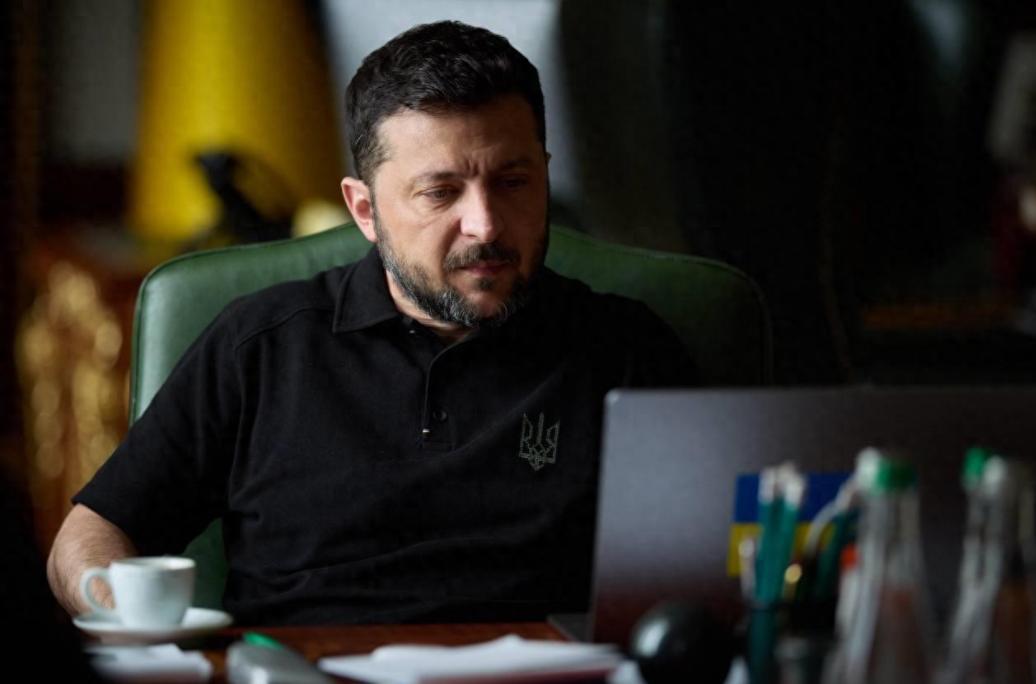
泽连斯基周四在X平台上发帖称:“我们收到美国请求,希望在中东地区获得针对‘沙赫德’无人机的具体支持。我已经指示提供必要的资源,并确保派遣能够保障所需安全的乌克兰专家。乌克兰会帮助那些帮助我们维护安全、保护人民生命的伙伴。乌克兰万岁!”
自2022年弗拉基米尔·普京发动俄罗斯全面入侵以来,乌克兰在过去四年中已成为无人机战争领域的全球领导者。
自俄罗斯发动攻击以来,伊朗已向莫斯科提供了数万架“沙赫德”无人机,这些无人机装满炸药,用于袭击乌克兰城市和能源基础设施。如今,俄罗斯也开始生产自己的“沙赫德”无人机,并大幅提升其性能,以应对与乌克兰的技术军备竞赛。
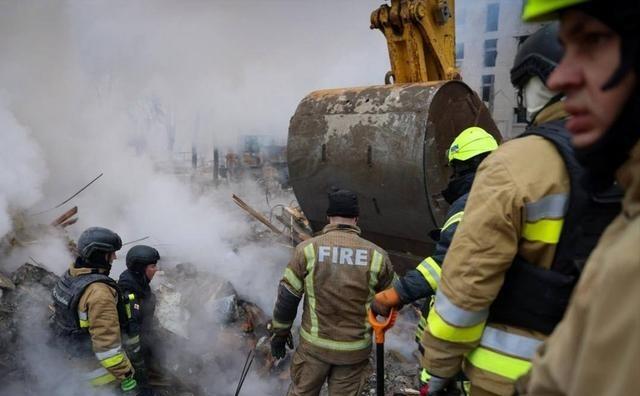
如今,伊朗的“沙赫德”无人机正在猛烈轰炸美国基地、海湾城市、机场以及石油和天然气设施。
据报道,在伊朗战争初期,美国及其海湾盟友曾使用价值数百万美元的防空导弹击落德黑兰的无人机,而这些无人机的制造成本仅需数万美元。
面对同样的威胁,且盟友提供的援助有限,乌克兰发展出了利用高射炮、车载机枪、廉价导弹以及“拦截”无人机(一种能够拦截并摧毁“沙赫德”无人机的高速飞行器)击落无人机的专业技术。
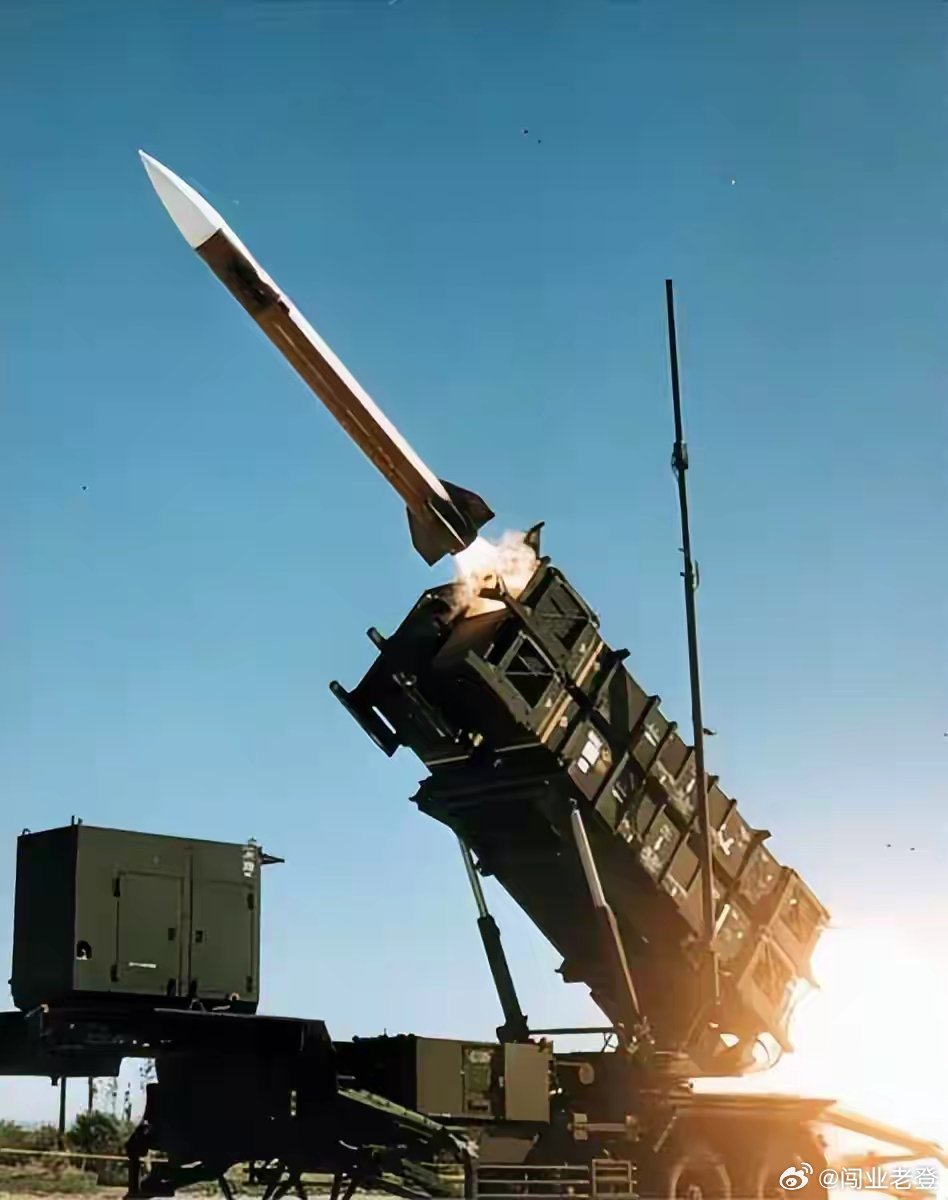
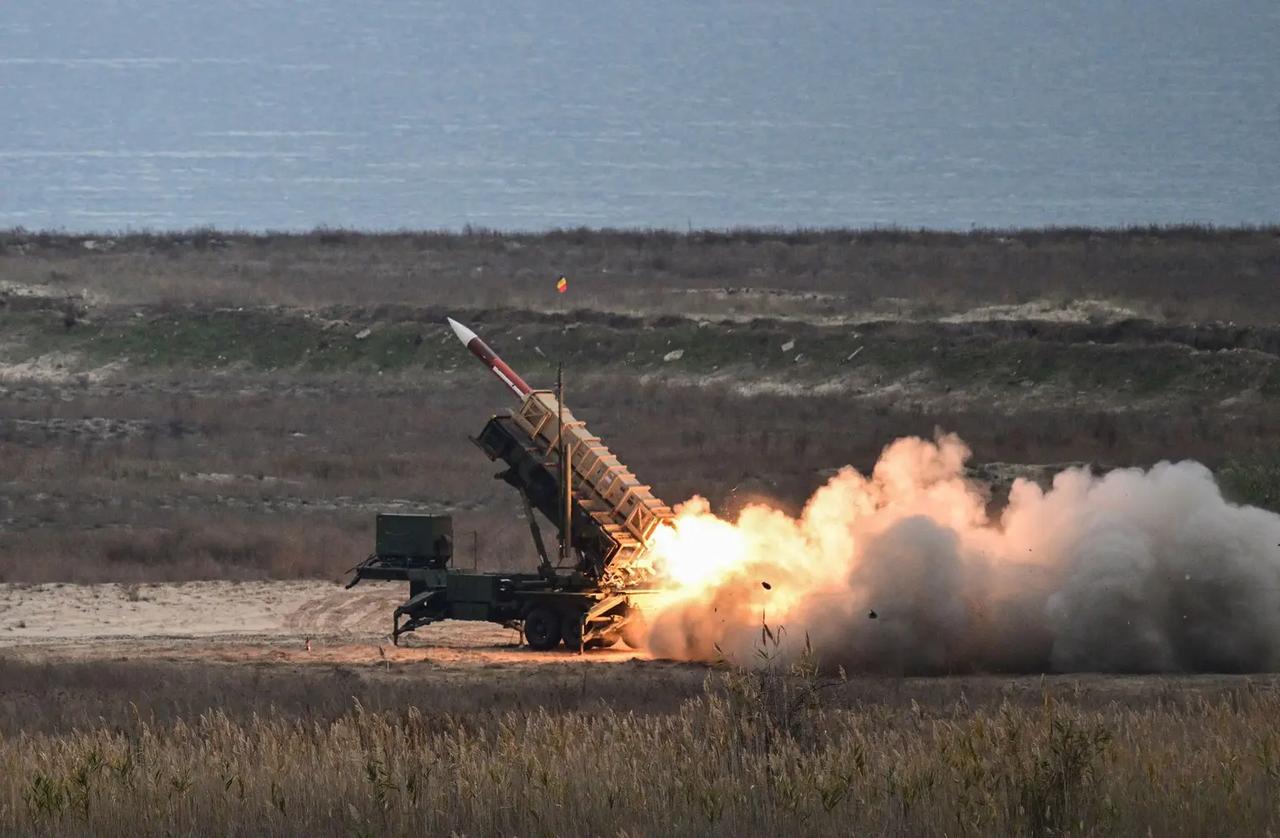
然而,乌克兰仍然依赖其盟友,尤其是美国,提供诸如“爱国者”导弹防御系统之类的防御工具来抵御弹道导弹。基辅方面抱怨称,拦截导弹的短缺使得乌克兰城市在今年严寒的冬季中不堪一击。
美国和海湾国家大量消耗“爱国者”系统使用的PAC-2和先进的PAC-3导弹,令基辅方面感到震惊。
乌克兰总统在周四的新闻发布会上表示,“自战争开始以来,乌克兰就没有这么多导弹。”
欧洲官员本周警告称,伊朗战争对乌克兰的最大风险将是PAC-3导弹短缺。
但泽连斯基利用其无人机技术应对伊朗威胁,或许能够说服白宫向乌克兰出售更多此类武器。
一位接近特朗普国家安全团队的人士承认,泽连斯基在寻求美国提供无人机防御援助方面“短期内影响力有限”,但对于这位在特朗普及其政府主导的俄乌战争谈判中缺乏筹码的领导人来说,这无疑是“明智之举”。
但该人士表示,泽连斯基需要控制好自己的要求。该人士补充道,“他想要更多用于‘爱国者’导弹系统的火箭弹,所以或许他能让(美国)加快一些请求的审批。”
特朗普本人本周告诉《政客》,泽连斯基仍然没有“底牌”。 但在接受路透社的另一次采访中,他表示愿意接受“任何国家的任何援助”。
乌克兰的国防工业产能严重过剩,但这是由于与俄罗斯的战争所致。该行业的年产能从10亿美元增长到500亿美元,其产量远远超过资金短缺的政府采购能力。这为对外军售打开了大门——在全面战争期间,基辅一直不愿允许这种情况发生。
正因如此,一项旨在敦促乌克兰伙伴为乌克兰生产武器买单的倡议应运而生,而海湾国家现在可能准备加入该计划。
Ukrainian officials are in talks with rich Gulf countries, peddling their country’s hard-won anti-drone expertise against Iranian attacks in exchange for crucial cash for Kyiv’s defense industry.
Polite American officials are also talking to Ukrainians on sharing their drone tech — something that may at least temporarily boost Ukrainian President Volodymyr Zelenskyy’s leverage with the White House.
Both negotiations could offer Ukraine desperately needed help: money at a time when the EU’s promised €90 billion loan has stalled thanks to Hungarian Prime Minister Viktor Orbán’s veto, and American interceptors for Ukraine’s Patriot air defense systems to knock down Russian ballistic missiles.
Both tracks of discussions were confirmed to POLITICO by two senior Ukrainian officials familiar with the matter, however no agreement has been finalized yet.
“We do see strong interest in Ukrainian counterattacking drones from a very wide range of countries, including the United States. That is understandable: Ukraine has built unique, battle-proven solutions on how to detect, track and counter this type of threat at scale, in real conditions,” a Ukrainian defense industry representative told POLITICO on condition of anonymity.
They added that any export decision requires “government-to-government coordination and must be aligned with security considerations, export controls, and broader strategic priorities.”
Zelenskyy posted on X on Thursday: “We received a request from the United States for specific support in protection against ‘shaheds’ in the Middle East region. I gave instructions to provide the necessary means and ensure the presence of Ukrainian specialists who can guarantee the required security. Ukraine helps partners who help ensure our security and protect the lives of our people. Glory to Ukraine!”
Ukraine has become aworld leader in drone warfare over the last four years since Vladimir Putin launched Russia’s full-scale invasion in 2022.
From the start of Russia’s attack, Iran has supplied Moscow with many thousands of its Shahed drones, which are packed with explosives and crash into Ukrainian cities and energy infrastructure. Russia now produces its own Shaheds and has dramatically upgraded their capabilities as part of the tech arms race with Ukraine.
Now Iranian Shaheds are pummelling American bases and Gulf cities, airport and oil and gas facilities.
In the first days of the Iran war, America and its Gulf allies have reportedly been using air defense missiles — which can cost several million dollars each — to shoot down Tehran’s drones that can be made for only a few tens of thousands of dollars.
Facing the same threat and limited help from its allies, Ukraine developed expertise in shooting down drones with anti-aircraft guns, truck-mounted machine guns, cheap missiles as well as “interceptor” drones — fast-flying craft that can catch and destroy Shaheds.
However, Ukraine still relies on its allies, and especially the U.S., for systems like Patriots to protect against ballistic missiles. Kyiv has complained that shortages of interceptor missiles left Ukrainian cities vulnerable during this year’s freezing winter.
The U.S. and Gulf countries have been burning through the PAC-2 and advanced PAC-3 missiles used by Patriots in such massive quantities that it’s leaving Kyiv dumbfounded.
“Ukraine did not have that many missiles since the start of the war,” the Ukrainian president said at a press briefing on Thursday.
European officials warned this week that the biggest risk of the Iran war for Ukraine will be a shortage of PAC-3 missiles.
But by offering his drone expertise against the Iran threat, Zelenskyy may now be able to persuade the White House to sell more of these weapons to Ukraine.
A person close to Trump’s national security team acknowledged that Zelenskyy has “marginal short-term leverage” with the U.S. requesting its help on drone defense, and that it’s a “smart play” for a leader whom Trump and his administration feel lacked much leverage in the ongoing U.S.-led negotiations about ending the Russia-Ukraine war.
But the person said Zelenskyy will need to keep his requests manageable. “He wants more rockets for Patriot systems, so maybe he can get [the U.S.] to expedite some requests,” the person added.
Trump himself told POLITICOthis week that Zelenskyy still had no “cards” to play. But in a separate interview with Reuters he suggested he would accept “any assistance from any country.”
Ukraine’s defense industry is wildly overproductive, but needs to be because of the war with Russia. The industry grew from annual capacity of $1 billion to $50 billion, and is able to make much more than the cash-strapped government is able to buy. That opens the door to foreign arms sales — something Kyiv has been reluctant to permit during a full-blown war.
That’s why an initiative was established urging Ukraine’s partners to pay for weapons produced in Ukraine, and Gulf countries may now be ready to join this program.